Essential Leadership Skills
Develop the foundational leadership skills behind psychological safety.
Tailored Training for Groups and Teams
Psychological Safety for Managers
Help managers build and sustain a team where people feel safe to speak up.
No obligation · Response within one business day · Tailored to your organisation

AudiencePeople leaders, from supervisors to executives, who shape team culture.

Duration1 day, or tailored to your needs

FormatOn-site: we come to you, virtual or hybrid.





Why this program
Psychological Safety for Managers from ICML Australia is a one-day program for managers and team leaders on building a team where people feel safe to speak up, designed around your organisation and delivered in-house across Australia or online.
People speak up when they trust the response will be fair. Managers create that trust, often without realising it, through how they react to questions, mistakes, bad news and disagreement. Our psychological safety training for managers gives leaders practical habits to invite input, respond well to challenge, welcome mistakes and give feedback that builds the team. They leave able to lead open communication, mutual respect and curiosity, shaped around your teams and culture.
Download the program outlineManagers rarely see how their own reactions land. Practising together, they hear how others interpret the same behaviour, trade approaches and agree on a consistent way to respond when someone speaks up. A management group that shares one approach creates more safety than any single manager can, and the habits carry straight back to the team.
“It has been a really insightful session and I will definitely take on board and put into practice some of the points so that my team are feeling valued, challenged and capable.”

Common challenges
Organisations often contact us when they notice situations like these:

Who should attend
Tailored to your organisation
Psychological Safety for Managers is a starting point for a conversation. We design each program around your managers, your teams and what you want to change, whether you have defined outcomes or simply a sense that people are not saying what they think.

From a short session to a multi-day program, delivered onsite, virtual or hybrid, to suit your objectives, budget and operational demands. We can also pair it with Psychological Safety for Employees so managers and their teams build the skills together.

We build in your leadership framework, values and the ways your people raise concerns, so the learning fits how your organisation works.

Choose from the focus areas below, or tell us what's happening in your teams and we'll recommend the mix.

We work with small groups and larger leadership cohorts. For maximum practice and discussion, we recommend groups of up to 15 participants.
Curriculum
A safe team comes down to a handful of leadership habits repeated consistently. The focus areas below are what we typically draw on, and your program includes the ones that matter most to your managers. The result is managers who lead more open teams, and teams that raise issues early and contribute their best thinking.
Managers explore what psychological safety is, how it develops and how their own behaviour makes it easier or harder for people to speak up.
Managers practise asking for ideas and concerns, and responding to questions and challenge in a way that keeps people contributing.
Participants learn to respond to errors with curiosity, focus on learning, and model admitting their own mistakes. The same habits apply when a team introduces AI: people need to feel safe to voice concerns about their roles and to admit when an AI tool has produced a mistake.
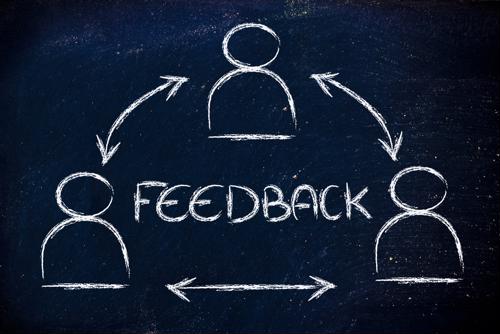
Managers practise giving feedback that builds the person and the team, and creating the conditions for feedback to flow in every direction.
Participants look at how to make it safe to try new ideas, take sensible risks and ask questions, and how to reward the learning that follows.
Managers learn to notice who is holding back, in meetings and across locations, and to include them in ways that suit them.
Typical topics covered
Delivery locations
Why choose ICML
Leading psychologically safe teams training is part of what we do. This program sits within our HR training pathway and alongside our leadership programs. Our facilitators combine subject expertise, leadership experience and highly interactive sessions full of discussion and practice.
Every program starts with a conversation about your managers and your teams. We suggest options, you decide what matters, and we deliver what your organisation needs.
Managers leave with habits and phrases they can use in their next team meeting or one-to-one, and a plan to keep practising.
As a psychological safety leadership training provider across Australia, we support you from the first conversation through design, delivery and follow-up, and make the process easy for organisers and participants alike.
FAQs
Psychological Safety for Managers goes deep on trust and voice: how a leader's behaviour makes it safe to speak up. Leading Thriving Teams covers the whole team system, including collaboration and the conditions for a thriving team. Many leaders benefit from both.
Psychological safety supports the way you manage work health and safety hazards, but it is a different focus. It is about trust and a speaking-up culture, while hazards such as workload and role clarity are managed through a psychosocial safety approach. Creating Psychosocially Safe Workplaces covers hazard management directly.
Psychological Safety for Managers typically runs as a one-day program. We also deliver shorter sessions and multi-day programs, onsite, virtual or hybrid, to suit your managers.
Psychological safety training for leaders covers inviting input, responding well to challenge and bad news, handling mistakes, building a feedback culture and including quieter voices. We add the areas that matter most to your managers.
No. Every program is designed for your organisation. The topics on this page show what we typically include, and your program covers the areas your managers need, in your language and context.
Both is ideal. We recommend running this program with managers and Psychological Safety for Employees with their teams, so the leaders model the behaviours and the team practises the skills.
No. Many organisations come to us with a sense that people are not saying what they think. We'll talk through what you're seeing, suggest options and design a program that fits.